

The United States economy has experienced notable fluctuations in recent times, impacting various sectors and the daily lives of Americans. Understanding these trends is crucial for both policymakers and citizens.
GDP Growth and Economic Performance
In the first quarter of 2025, the U.S. economy contracted by 0.5%, attributed to businesses accelerating imports ahead of anticipated tariffs. However, the subsequent quarters saw a rebound, with the economy expanding by 3.8% in the second quarter and 4.3% in the third quarter, marking the fastest growth in two years. This resurgence was driven by increased consumer spending and business investments.
Inflation and Consumer Prices
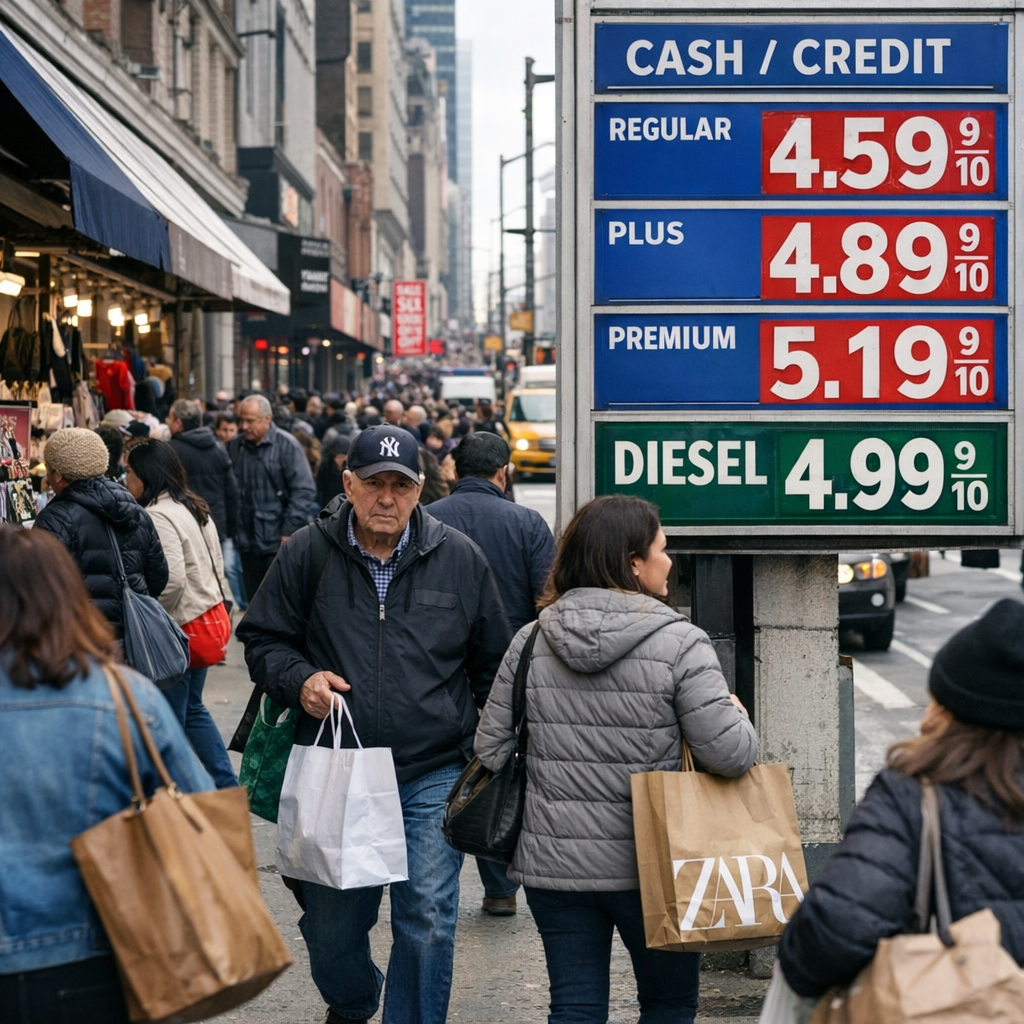
Inflation has been a pressing concern, with rates reaching 3.8% in April 2026, the highest in three years. This uptick is largely due to rising energy costs, especially following geopolitical tensions that led to the closure of the Strait of Hormuz. Consequently, national average gas prices have surpassed $4.50 per gallon, with some states experiencing prices above $5. This surge has placed a financial strain on many households, particularly those with lower incomes.
Employment and Labor Market
The labor market has shown signs of stagnation, with job growth slowing in recent months. While unemployment rates remain relatively low, wage growth has not kept pace with inflation, leading to decreased purchasing power for many workers. This disparity has heightened economic anxiety among the populace.
Public Sentiment and Economic Outlook
Public dissatisfaction with the current economic policies is evident. A recent CBS News/YouGov poll indicates that 70% of Americans feel “angry” or “frustrated” about the administration’s handling of the economy. Only 11% expressed enthusiasm, and 19% reported satisfaction. This sentiment reflects concerns over rising living costs and economic uncertainty.
Conclusion
As the U.S. navigates these economic challenges, it is imperative for policymakers to address inflationary pressures, support job creation, and implement measures that bolster consumer confidence. Staying informed and proactive will be key to fostering a resilient and thriving economy.