

By Logan Valdez
Denver is growing fast. High-rise condos edge closer to long-held neighborhoods. New businesses pop up where mom-and-pop shops once stood. With all this change, I’ve been wondering: what makes a neighborhood feel like home—and what do we lose when it’s missing?
The Essentials of Belonging
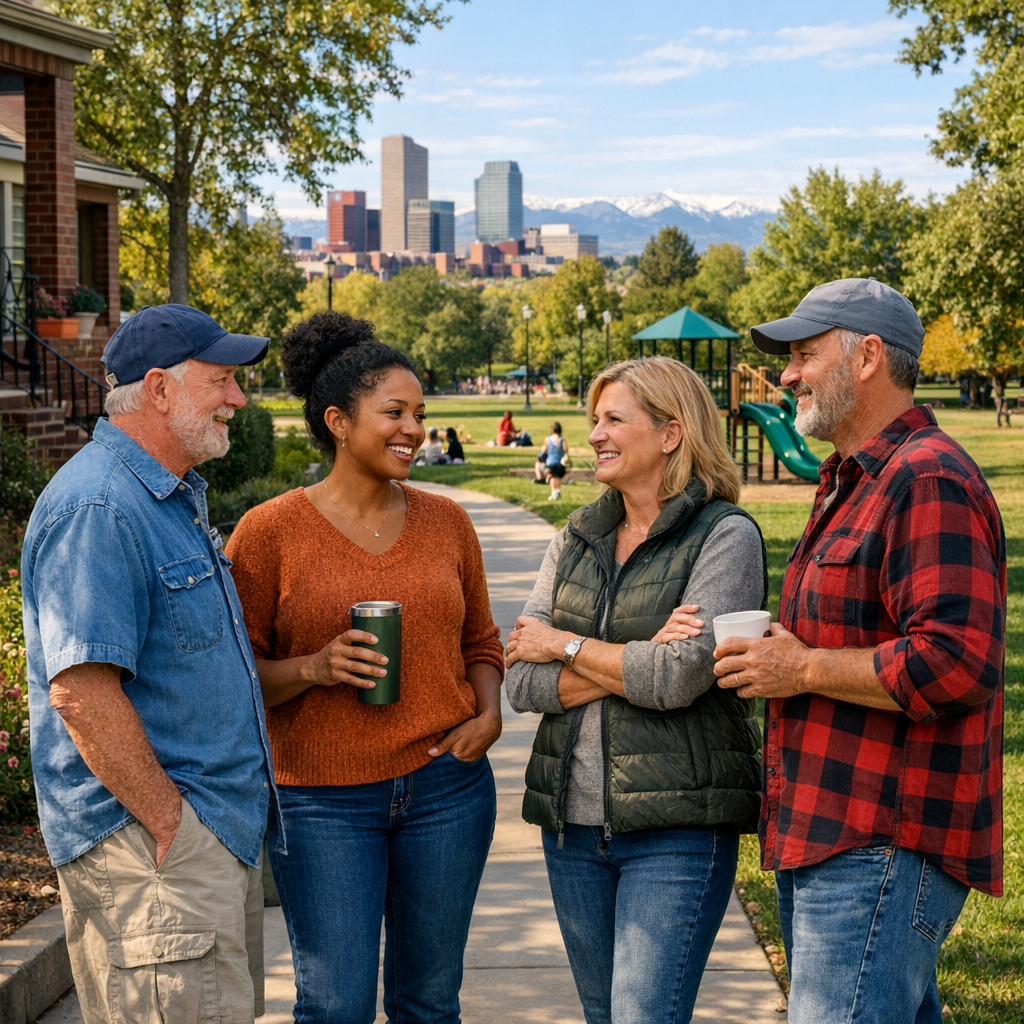
For me, belonging begins with everyday interactions. It’s the barista who knows your morning order. It’s neighbors waving during dog walks. It’s the after-school program where children squeal with joy, and the elders sitting on porches sharing stories.
Belonging also comes from shared spaces: parks where families gather, streets built for walking, schools where students see themselves reflected in teachers or artwork in halls. These are the places where community is lived, not just observed.
When Change Erodes What Matters
Yet as Denver develops, some of these anchors feel threatened. Rising rents push out longtime residents. New construction sometimes replaces green space. Growing disparity shows up in crowded schools, limited transit options, or shuttered local shops. The invisible layers of belonging—history, memory, culture—can be displaced.
When the voices of those who have lived here for decades are overlooked in planning and growth, neighborhoods risk becoming polished but hollow, clean but lacking character, vibrant but unmoored.
How We Keep Home in the Midst of Growth
Preserving neighborhood is about who we invite to the table. Registered Neighborhood Organizations (RNOs), neighborhood councils, community benefit agreements—when they’re accessible, inclusive, and rooted in resident priorities, they can act as guardians of belonging.
It’s also about protecting the physical and social spaces that bind us: community gardens, local businesses, block parties, murals, parks with trees old enough to have witnessed change. Ensuring these remain means intentionally balancing new construction with what already exists.
What You Can Do Locally
- Engage with your RNO or local community meetings: share your stories and hopes.
- Support small, independent businesses in your area—they often hold culture and history in their walls.
- Visit—or volunteer in—neighboring public spaces: parks, schools, libraries. Their health reflects the strength of our social fabric.
- Vote with community in mind: for leaders who prioritize preserving belonging alongside growth.
When I walk down a Denver street and the choices that shaped it feel like mine, that’s home. As our city continues to grow, we must make space—literally and figuratively—for everyone to feel rooted here.